The Council of the EU approved SAFE financing decisions for Czechia and France on April 10, 2026, following two February batches covering sixteen other member states. That moved the €150 billion loan instrument beyond its May 2025 adoption into national implementation. It still did not mean €150 billion of equipment had been delivered, or that every approved project had entered production. Council April 2026 SAFE approvals EU SAFE adoption, May 2025
Follow the money through the factory
Our analysis separates fiscal capacity from industrial output. A loan instrument can help governments finance purchases. Governments still need requirements, contracts, suppliers and acceptance processes. Suppliers then need capacity and components. Each step can determine whether additional financial resources become useful equipment on a relevant schedule.
For autonomy, common procurement creates both opportunity and tension. Larger combined demand may justify investment in production and support. Different national requirements can also produce variants that weaken the benefits of scale. The outcome depends on how buyers align the parts of the system that genuinely need to be shared.
Count what is accepted
The reporting question should be which milestone a number describes. Approved borrowing, signed orders, factory capacity and accepted deliveries are different measures. Adding them together can double-count progress. A large program is best followed through a transparent sequence rather than one cumulative headline suggesting the money has already become capability.
European autonomy ambitions will therefore depend partly on procurement discipline: stable requirements, credible schedules and support for continued software maintenance. The financing instrument matters because it changes what governments can organize. Its strategic effect must still be assessed through the systems they buy, the industrial capabilities they retain and the ability of partners to use those systems together.
There are several gates between money and equipment
The April announcement described the next steps as loan agreements and pre-financing disbursements. Those are financial milestones. A factory expansion, procurement contract, accepted delivery and trained operating unit are later milestones with different evidence. A loan ceiling measures the capacity of a financing instrument; it cannot be used as an inventory of weapons already available to European forces. Council April 2026 SAFE approvals
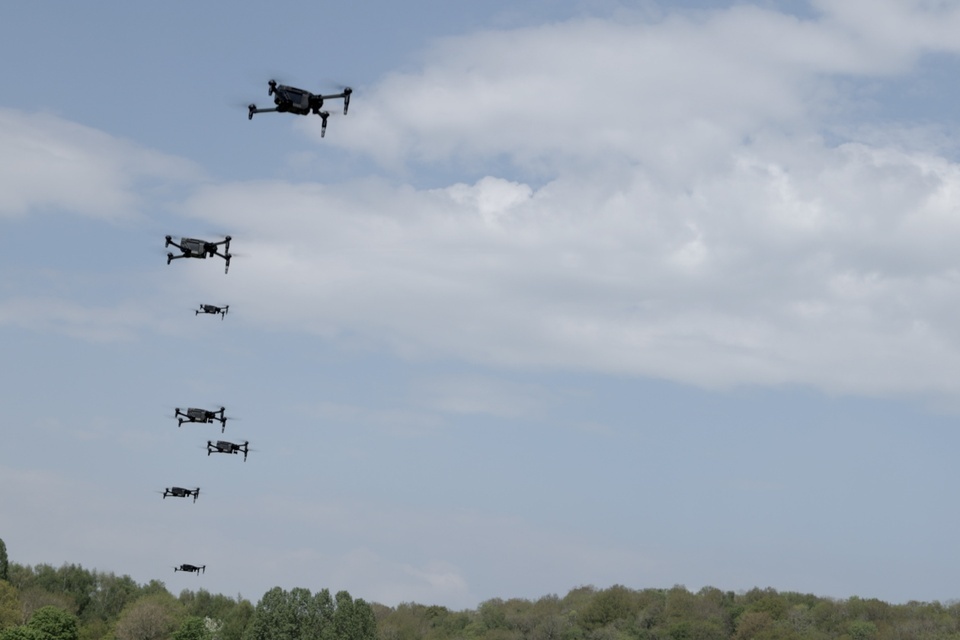
This distinction is especially important for autonomy. Some expenditure may support drones or counter-drone systems, while other expenditure builds the industrial conditions that make future deliveries possible. The strategic value can be substantial in either case, but the timetable differs. A production line does not create readiness until its output reaches customers and enters a sustainable operating process.
Common demand is the industrial mechanism
SAFE was designed to support common procurement of priority defense capabilities. The Council’s overview reports that fifteen of nineteen submitted national plans include projects with Ukraine. That points to an attempt to connect European financing with shared requirements and industrial demand, rather than treating national purchasing programs as entirely separate markets. Council SAFE implementation overview
The economic logic is straightforward: a supplier can invest more confidently when several customers want a compatible product on a credible schedule. The difficulty is that national requirements do not automatically converge. Different communications systems, certification practices or delivery priorities can divide what appears to be one large market into several smaller engineering programs.
Canada shows how industrial eligibility can evolve
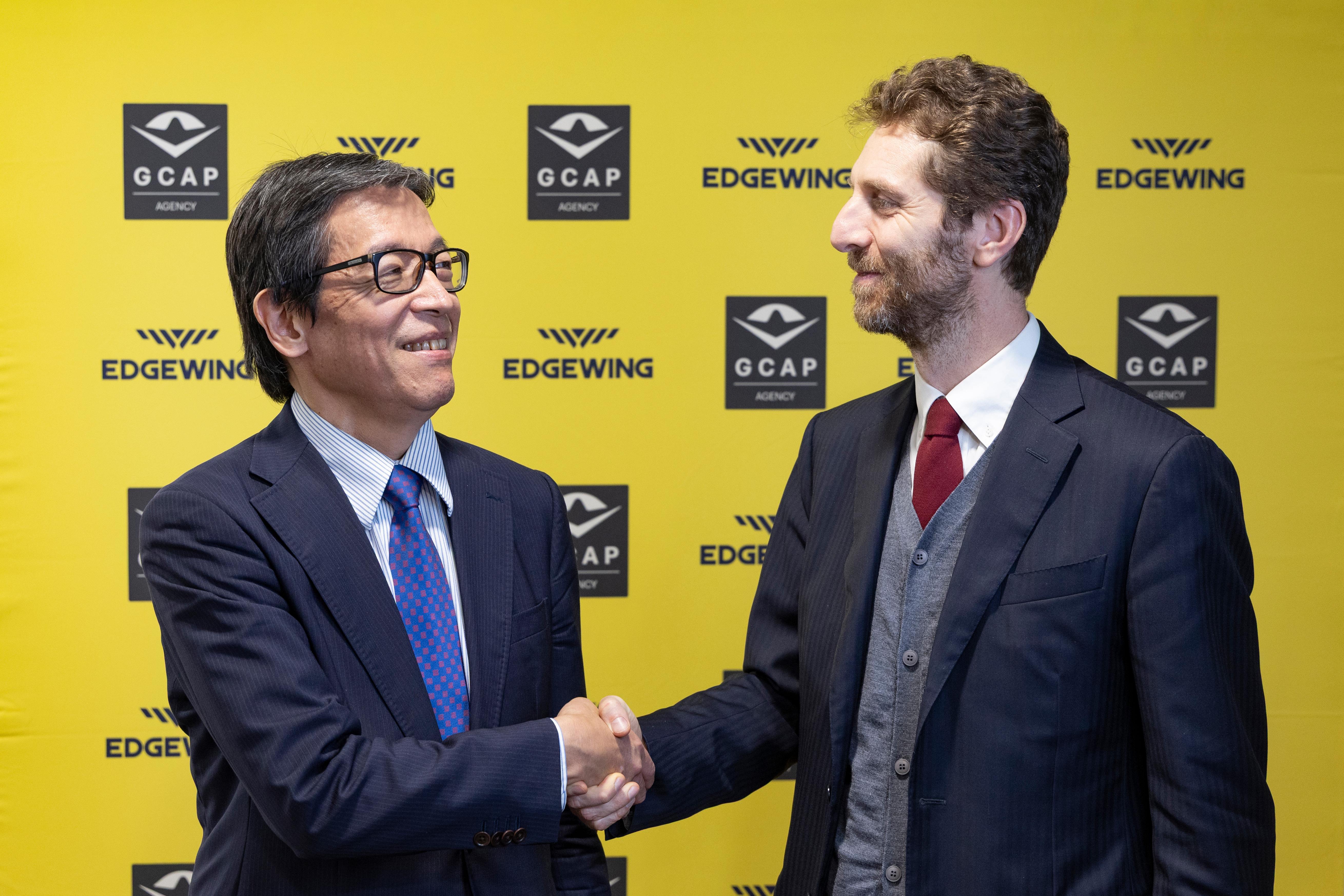
On June 15, 2026, the Council formally concluded the agreement enabling Canadian companies and products to participate under SAFE. The agreement had been signed in February and followed the June 2025 EU–Canada Security and Defence Partnership. Canada became the first non-European participant in the instrument. Council concludes SAFE agreement with Canada
The sequence matters because industrial participation is being negotiated through institutions, not determined by geography alone. For autonomy suppliers, access can depend on the legal and political framework surrounding their product as well as its technical performance. A company evaluating Europe must understand which parts of its supply chain and intellectual property fit the applicable arrangement.
A system needs more than a production target
NATO’s revised AI strategy provides a useful parallel: adoption and interoperability are linked to responsible use and the ability to integrate technology into defense organizations. SAFE is a financing tool, not the same policy instrument, but the two address different parts of a shared challenge. Funding equipment cannot by itself establish the evidence or procedures needed to operate autonomous functions responsibly. NATO revised AI strategy, July 2024
Our assessment is that the most valuable spending will connect industrial output with integration and support. A larger supply of incompatible systems could expand inventories while creating new training and maintenance burdens. Common procurement can reduce that burden only if the commonality extends to practical operating arrangements, rather than stopping at the contract title.
The right scoreboard separates stages
Readers should track approved financing, signed loans, procurement commitments, industrial capacity, deliveries and operational availability separately. That is not bureaucratic hair-splitting. Each stage answers a different strategic question: whether governments can finance demand, whether suppliers can build, and whether forces can use what arrives.
SAFE’s 2026 implementation is a real change from its initial announcement. The public record now contains national approvals and an expanded international participation framework. The next judgment should depend on what those arrangements produce. Treating the full financing envelope as immediate military power would hide the very industrial execution that the instrument is intended to accelerate.
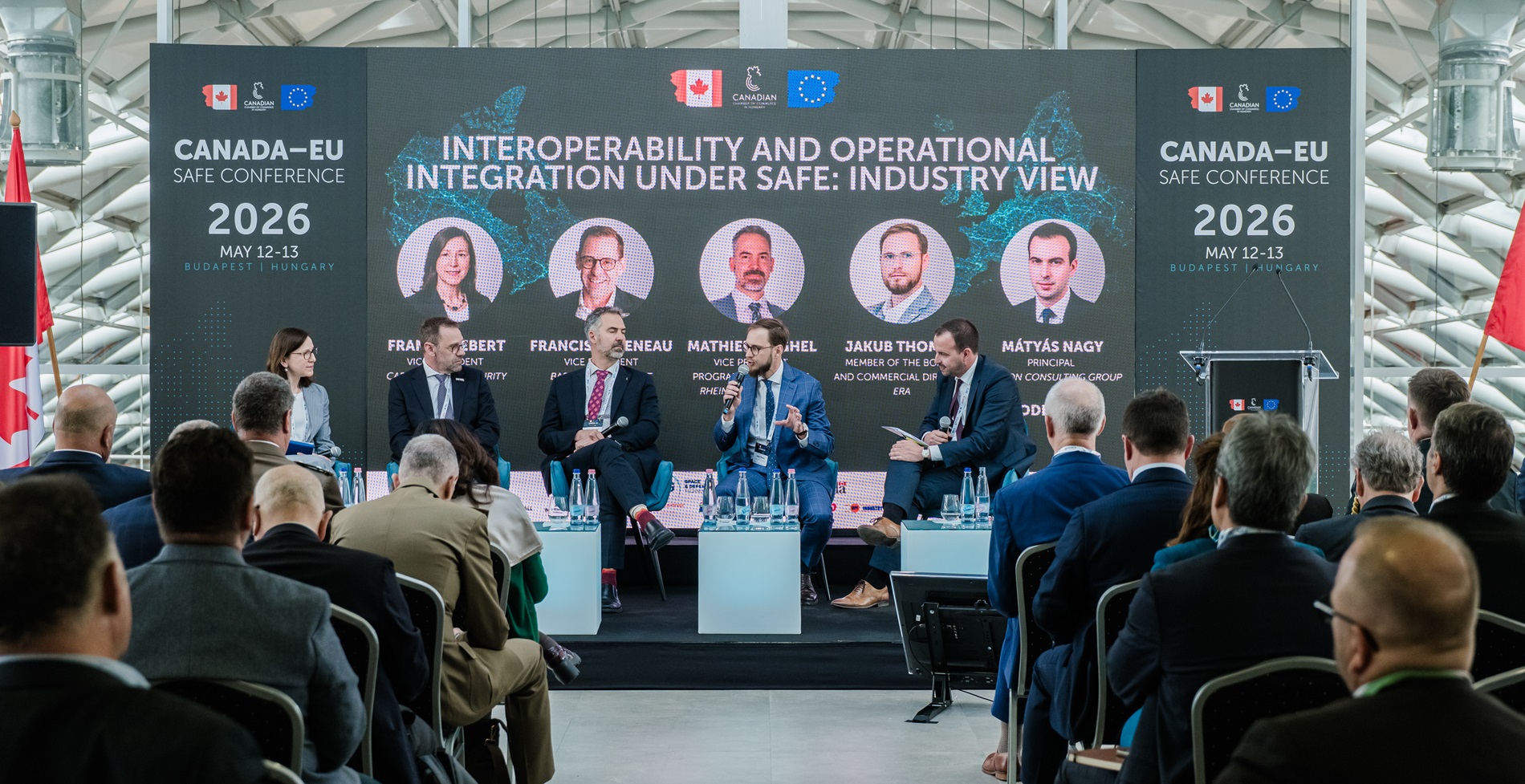
The industrial response was visible at the May 12–13 Canada–EU SAFE Conference in Budapest. Participant ERA’s account described an interoperability panel and discussions connecting manufacturers, defence ministries and research institutions. Such meetings help build partnerships; they are not procurement awards.
Sources & evidence
This archive preserves its original editorial date. Sources describe the events and announcements discussed; they do not establish today’s status.