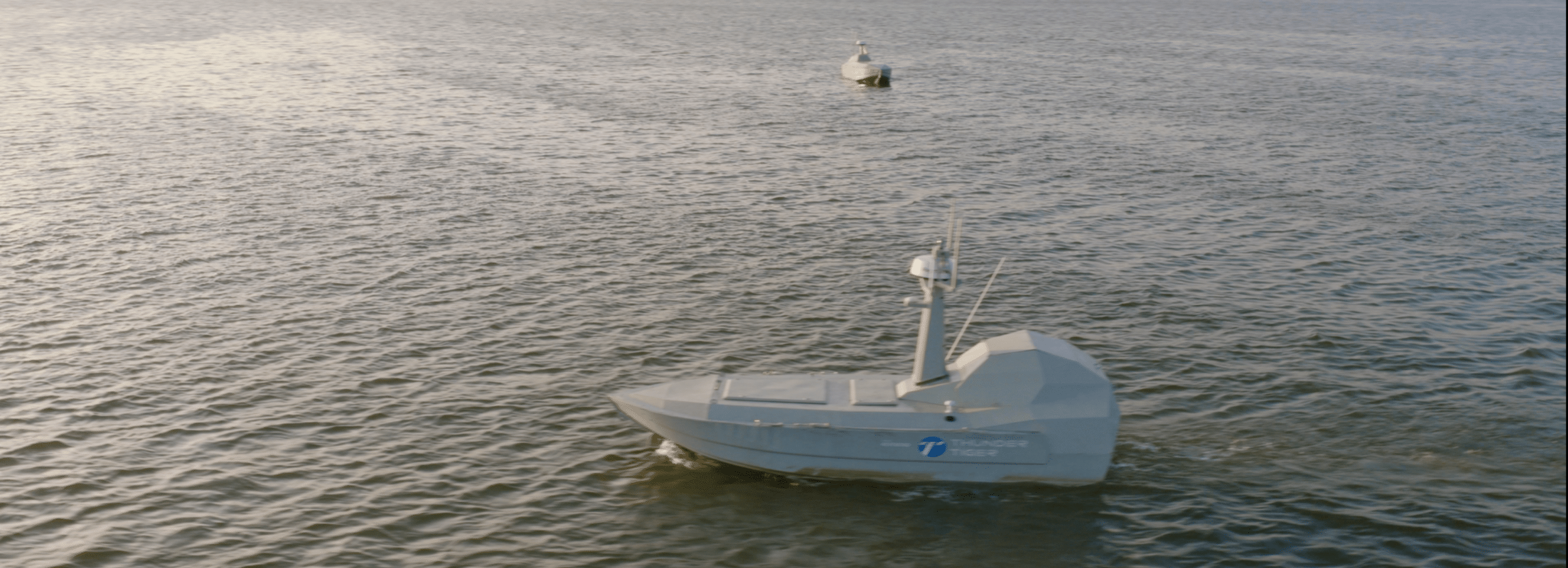
The first AUKUS Pillar II signature project, announced on May 30, 2026, centers on payloads and enabling systems for uncrewed undersea vehicles. Delivery is scheduled to begin in 2027. The choice is revealing: the three governments are not simply seeking more autonomous vessels, but equipment and control arrangements that can work across national fleets. AUKUS undersea payload fact sheet
The hard part is shared meaning
Our analysis distinguishes moving information from using it coherently. Partners need compatible descriptions of locations, confidence and task status. They also need agreement about who can authorize a change. A data link may operate correctly while two organizations interpret the same message differently or apply different operational constraints.
Trials create a setting for discovering those mismatches before systems are relied upon more broadly. Their value includes the problems identified and corrected, not only the successful final demonstration. That makes repeatability, documentation and the ability to substitute components meaningful measures of progress for a coalition program.
From demonstration to routine practice
An exercise has bounded conditions and preparation time. Routine cooperation must survive changing equipment, personnel and software versions. The relevant follow-up is whether partners can reproduce a capability without the exact original team, and whether lessons become part of procurement requirements, training and update procedures across national organizations.
The geopolitical implication is that alliances can build advantage through shared learning, but only if the cooperation reaches institutions as well as prototypes. Autonomy does not remove the need for coordination. It can make coordination more demanding by increasing the speed and number of machine-generated actions that partners must interpret, authorize and review together.
From a joint trial to a shared product
The project fact sheet describes a phased approach. National payloads are to become interchangeable and integrated by each partner; joint development and production of trilateral payloads follows. Shared standards, operational concepts and common control systems are named as enabling work. This is a development plan with a delivery target, not a statement that an interchangeable fleet is already in service. AUKUS undersea payload fact sheet
The plan addresses a practical weakness of alliances. Countries can own capable vehicles that cannot easily exchange mission equipment or use each other’s support arrangements. Solving that weakness requires decisions about interfaces before procurement locks them in. It also requires agreement about which nation can authorize, modify and validate a payload when it operates from another country’s platform.
Earlier AI trials exposed the workflow
The UK’s August 2024 AUKUS account described a trial involving live retraining and exchange of AI models among partners. Its importance was the process as well as the algorithm: teams had to move a model through a shared operational setting and make it useful to others. The September 2024 ministerial statement continued the maritime-autonomy experimentation agenda. UK August 2024 AUKUS trial AUKUS September 2024 statement
That chronology shows why a coalition demonstration is more demanding than three national demonstrations held side by side. A common result requires compatible data, agreed meanings and enough trust in the other team’s testing to use its output. Faster software development has limited operational value if each partner must rebuild the entire approval chain before accepting an update.
Britain’s 2026 swarm test adds competition
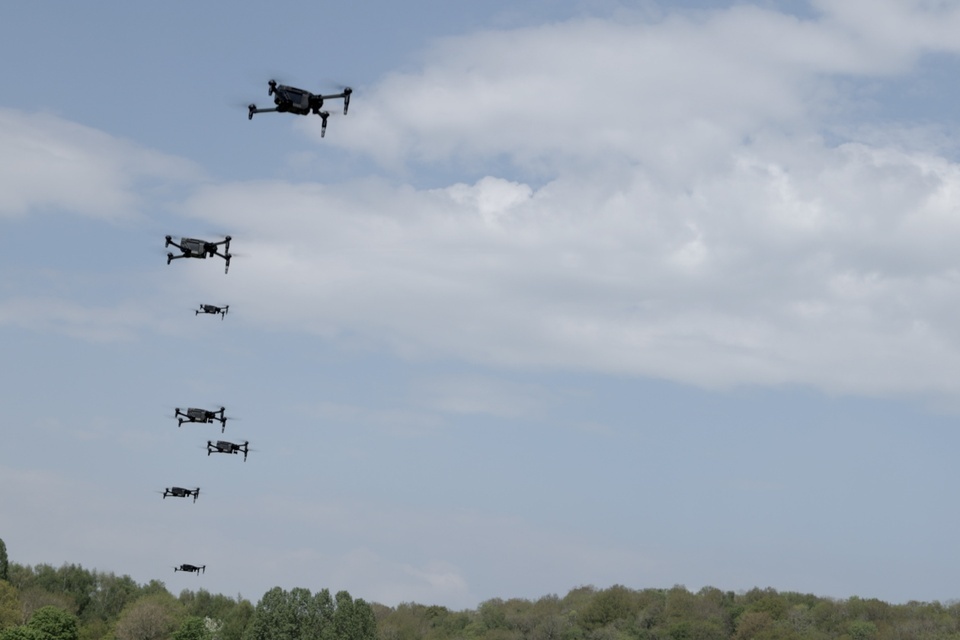
In September 2026, Dstl reported trials of two industry-led swarm options: BlueBear, a Saab company, and the Disruptor Group led by Applied Intuition. The Army had completed eight weeks of experimentation with an eight-aircraft test bed. Dstl explicitly connected the work to AUKUS Pillar II and described further experiments during 2026–27. Dstl September 2026 swarm experiment
The competitive structure matters. It suggests an effort to learn about architectures and behaviors rather than defining success solely as adoption of one supplier’s product. The public release does not provide a head-to-head performance table or announce a production winner. It supports a narrower conclusion: operators are gaining experience with collective control in realistic trials.
Interoperability includes people and authority
Undersea payload interchangeability is partly a physical engineering problem. It is also a question of who understands the mission software, how configuration changes are recorded and what happens when different national operating restrictions apply. A standardized connector does not resolve those differences on its own.
Our analysis is that AUKUS can create more value by making the whole development-and-use cycle compatible than by pursuing a single shared hardware label. Nations may retain different vehicles and still gain flexibility if payloads, evidence and procedures transfer cleanly. That approach can preserve national choices while reducing repeated integration work.
The 2027 test will be delivery
The May statement supplies a near-term point against which the initiative can be assessed. Evidence of delivered payloads, integration on different national vehicles and repeatable joint exercises would be stronger than another declaration of cooperation. The schedule should remain a target until the governments publish the corresponding results.
For now, the public record shows a progression from experimental AI exchange toward a defined undersea development project. It is substantial organizational movement, but it does not prove coalition autonomy has become effortless. The hardest achievement will be making cooperation routine enough that it survives a software revision, a new payload and the absence of the original demonstration team.
Sources & evidence
This archive preserves its original editorial date. Sources describe the events and announcements discussed; they do not establish today’s status.