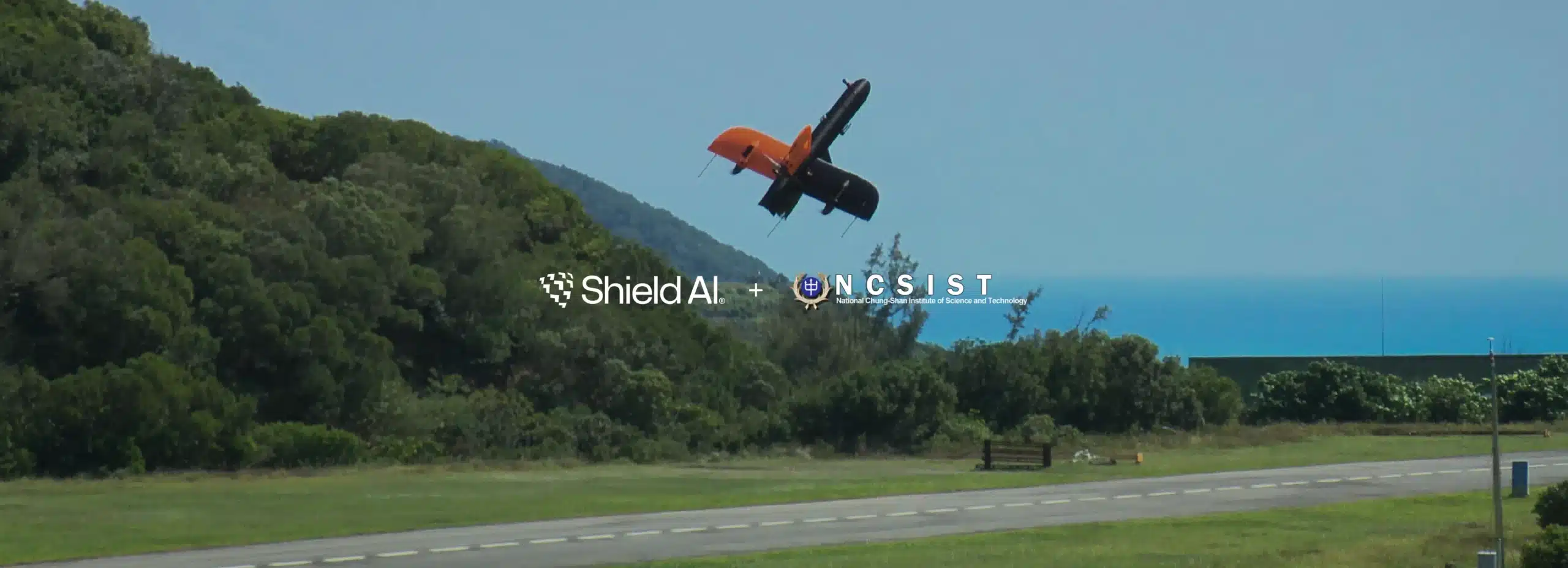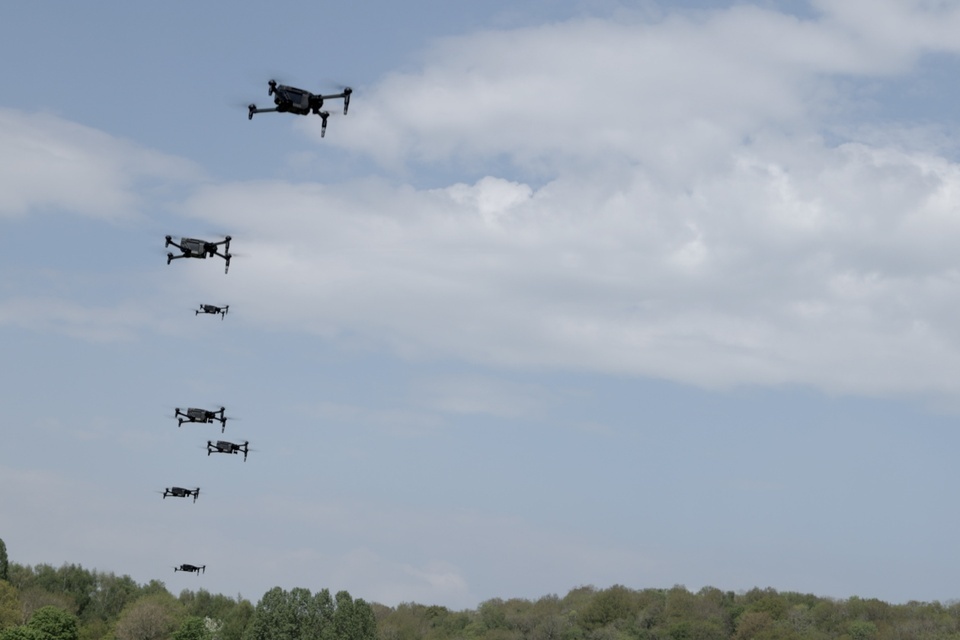
On July 29, 2026, Shield AI and Thunder Tiger reported a coordinated maritime demonstration off Pingtung using SeaShark 600 and SeaShark 800 unmanned vessels. Days later, Shield AI announced a separate aerial search demonstration with Taiwan’s NCSIST. Together, the events moved two Taiwanese partnerships beyond signatures into described field activity. Neither announcement said Taiwan had bought Shield AI, nor that the demonstrations constituted fleet-wide operational deployment. Shield AI July 2026 SeaShark demonstration Shield AI NCSIST exercise, August 2026
Keep the milestones separate
These descriptions matter. A teaming agreement establishes cooperation; a contract assigns work; a demonstration provides evidence about specified activity. None automatically establishes large-scale deployment. The August announcement is a company account, with an August 6 dateline despite an August 5 page heading, rather than an independently observed operational assessment.
Our analysis is that the strategic story concerns access to autonomy development capability. A partner that can integrate and adapt software may gain more flexibility than one that merely buys a finished platform. The actual degree of independence depends on contractual rights, technical skills and continuing access to support.
What the evidence cannot establish
A search demonstration does not answer every question about performance under contested conditions, reliability over long periods or readiness across a fleet. It is nevertheless a concrete milestone beyond a memorandum. Responsible coverage should recognize that progress while keeping the demonstrated task and the company’s broader ambitions clearly distinguished.
The questions now concern scale and institutional capability: how many systems can be supported, which updates local engineers control, and what acceptance tests customers require. The useful story is how a foreign software relationship might strengthen locally operated systems, and which dependencies remain after the initial integration work is complete.
How a commercial partnership becomes geopolitical
For Taiwan, the analytical question is how much capability local engineers can sustain and adapt themselves. For the United States, a partnership of this kind can create a channel for industrial cooperation while raising questions about continuing support and technology access. Those are different considerations from the number of aircraft in a demonstration.
For the triangular relationship with China, the important issue is how technical capability changes expectations. Greater adaptability could affect assessments of resilience; dependence on outside support could affect assessments of vulnerability. A commercial announcement alone does not show how any government interprets those changes. Coverage should therefore track the demonstrated capability, the continuing dependencies and official reactions separately, rather than treating a contract as proof that the strategic balance has already shifted.
Two environments, two integration problems
The maritime account describes the use of radar, imagery and Automatic Identification System data to find a vessel of interest and coordinate an escort out of a designated search area. The aerial account describes three Mighty Hornet III aircraft conducting a coordinated search with geographic restrictions. These are different sensor and mobility problems, even though the same autonomy supplier sits behind both. Shield AI July 2026 SeaShark demonstration Shield AI NCSIST exercise, August 2026
That distinction is strategically useful. A government seeking autonomy across air and sea does not obtain it by copying one flight controller onto a boat. It needs software that can accept different sensors, understand different constraints and expose behavior that local engineers can test. The demonstrations provide evidence of integration across settings; they do not by themselves establish identical maturity in each.
The agreement came before the exercise
The maritime sequence began with a May 2026 memorandum of understanding. The companies proposed a staged path from simulation through hardware testing to live trials. July’s public demonstration is therefore a follow-on milestone against a stated development path, rather than an unrelated publicity event. The memorandum remains distinct from a disclosed production order: the sources do not establish a purchased fleet quantity or contract value. Shield AI Thunder Tiger partnership, May 2026
The NCSIST sequence has a different legal label. February’s announcement identified a contract, while the August release reported its completion and expansion. Reporting those distinctions prevents two errors at once: understating an actual contracted program as mere exploratory talks, and overstating a maritime memorandum as an order already fulfilled.
Local capability is the substantive prize
The NCSIST account emphasizes Taiwanese engineers working with embedded Shield AI engineers. Its claim is that the local team developed and employed the autonomy, rather than only receiving an externally operated service. That is a stronger industrial ambition than delivery of airframes alone, though the public release does not enumerate source-code rights, license duration or every support dependency. Shield AI NCSIST exercise, August 2026
Our assessment is that local learning can be strategically valuable even when complete technological independence is unrealistic. Engineers who understand integration failures can change sensors, retest behavior and identify when a system should not be used. The meaningful measure is the work they can perform reliably under their own authority. The nationality of the airframe or the software brand is an incomplete proxy.
What would change the assessment
The next evidence should connect demonstrations to repeatable operations: acceptance standards, additional platform integrations, training outcomes and support arrangements. Public results from more demanding trials would strengthen confidence; a production announcement would answer a different question about scale. None should be silently inferred from the two summer demonstrations.
Taiwan’s case illustrates how autonomy policy can become an industrial capability program. The recorded advance is concrete but bounded: local partners have described operating integrated systems in specified demonstrations. Whether that becomes durable national capability depends on the institutions, rights and practical support that remain after visiting engineers and demonstration teams leave.
Sources & evidence
This archive preserves its original editorial date. Sources describe the events and announcements discussed; they do not establish today’s status.